

Making Tax Digital for Income Tax: a plain‑English guide for sole traders and landlords
From 6 April 2027, Making Tax Digital for Income Tax will apply to sole traders and landlords with qualifying income over £30,000. It already applies to those over £50,000, and from April 2028 it drops to £20,000. If you’re wondering what it means for your record keeping and tax reporting, you’re not alone. This guide explains, in plain English, who is affected, what you’ll need to do each quarter, and how to get set up without the stress.
Understanding MTD for Income Tax

Making Tax Digital for Income Tax is here to simplify tax reporting for businesses. Let’s break down what this means for you.
Who Needs to Comply
You’ll need to use Making Tax Digital for Income Tax if you’re a sole trader or landlord and your qualifying income is over the threshold. Qualifying income means your total turnover from self-employment and property before expenses – not your profit. So a landlord with £32,000 of rent and £15,000 of costs is still in from April 2027. Limited companies aren’t affected, and neither is income you earn as an employee through PAYE.
Important Start Dates
HMRC uses your income from an earlier tax year to decide when you start. Anyone with qualifying income over £50,000 in 2024/25 started on 6 April 2026. Over £30,000 in 2025/26, and you start on 6 April 2027. Over £20,000 in 2026/27 means a start date of 6 April 2028. So if you’re anywhere near £30,000, now is the time to check.
Key Changes for Daily Operations
You’ll need to keep your business records digitally, using software that works with HMRC, rather than in a paper book or a basic spreadsheet. Done properly, it saves time at the end of the year and means fewer surprises, because your figures are kept up to date as you go.
Managing MTD Requirements
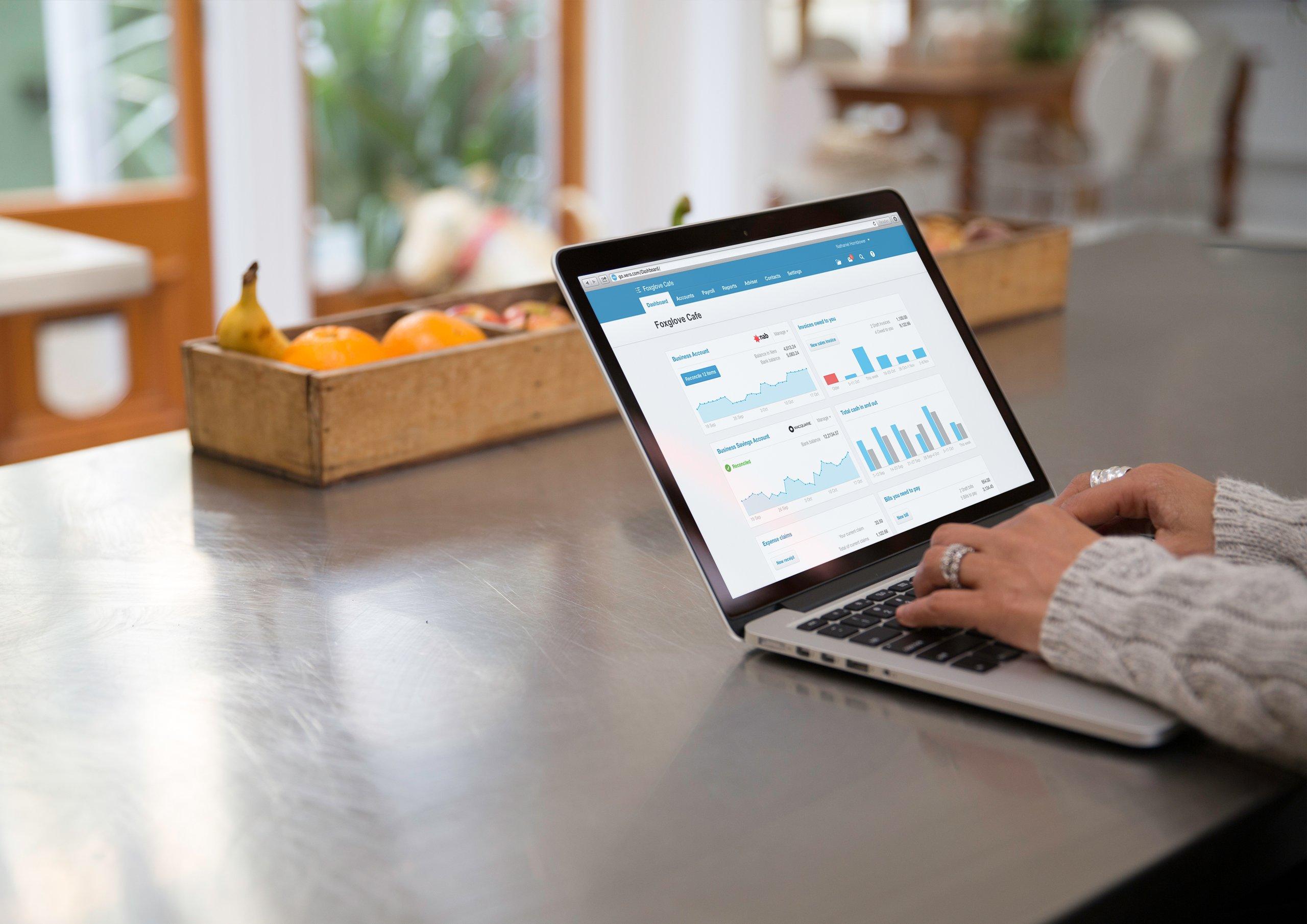
Once you understand the basics, managing MTD becomes straightforward. Here’s how you can handle the new requirements without stress.
Quarterly Updates
Every three months you’ll send HMRC a summary of your income and expenses through your software. It isn’t a tax return and you don’t pay tax each quarter – it simply keeps HMRC up to date. The quarters run to 5 July, 5 October, 5 January and 5 April, with each update due by the 7th of the following month: 7 August, 7 November, 7 February and 7 May.
Final Declaration and Deadlines
After the tax year ends, you’ll make a final declaration to confirm your figures and add any other income – this replaces the usual Self Assessment tax return and is due by 31 January of the following year, the same as now. Missing quarterly updates or the final declaration can lead to penalty points and penalties, so it’s worth getting a routine in place early.
Using Xero for Digital Record Keeping
Xero is a powerful tool for managing your digital records. It simplifies the process and keeps everything in one place. By using Xero, you ensure your records are accurate and easily accessible. This tool integrates with HMRC, making quarterly updates a breeze. Consider it your digital filing cabinet.
Preparing for MTD
Preparation is crucial in making MTD work for you. Here’s how to get started on the right foot.
Setting Up with Kara Accountants
We can check whether you’re affected and when you need to start, recommend and set up the right software (we’re a Xero Gold Partner), and send your quarterly updates for you so nothing is missed. If you’d rather keep doing your own books, we’ll make sure everything is set up correctly and check your figures before they go to HMRC.
Handling HMRC Exemptions
Exemptions can be tricky, but understanding them is vital. If you qualify, you don’t need to use MTD. However, you must still file a Self Assessment tax return. Check your status early to avoid any issues later. Knowing where you stand helps you plan effectively.
Staying Ahead with Key Deadlines
Meeting deadlines is crucial to avoid penalties. Keep track of important dates, like quarterly updates and final declarations. Setting reminders ensures you never miss a deadline. Being proactive keeps your business compliant and stress-free.
Frequently Asked Questions
What is Making Tax Digital for Income Tax?
Making Tax Digital for Income Tax requires businesses to maintain digital records and submit tax information quarterly to HMRC.
Who must comply with MTD for Income Tax?
Sole traders and landlords with qualifying income (turnover before expenses) over £50,000 since April 2026, over £30,000 from April 2027, and over £20,000 from April 2028. Limited companies aren’t affected.
How does Xero help with MTD?
Xero helps by keeping digital records organised and ensuring seamless integration with HMRC for quarterly updates.
Book a free call with Kara Accountants
